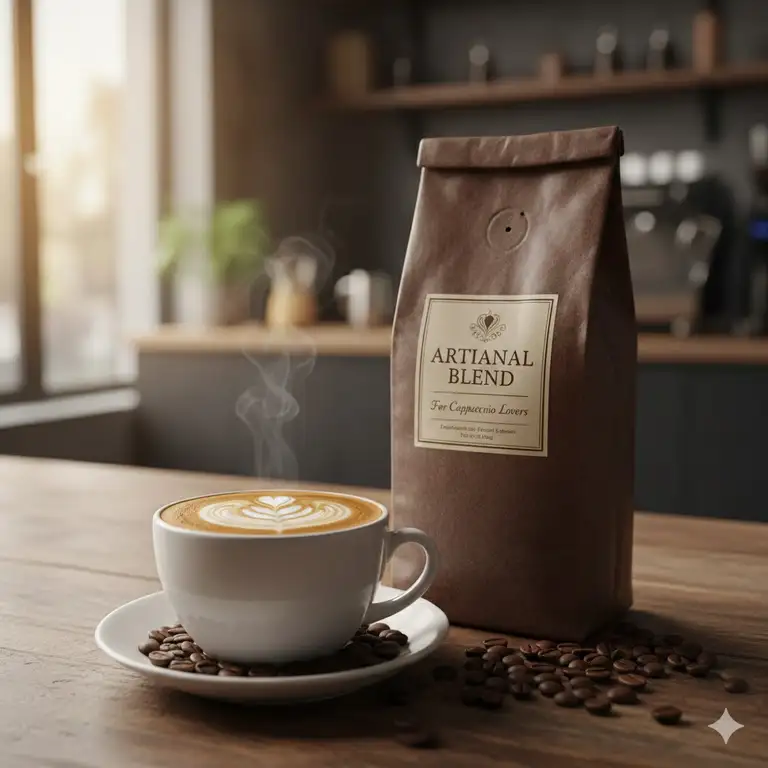
I have spent many years chasing the elusive “perfect cup.” You know the one—where the foam is like a cloud and the espresso underneath is bold enough to cut through the milk without being bitter. Finding the best coffee beans for cappuccino isn’t just about grabbing any bag off the shelf; it is an art form. If you are like me, your morning doesn’t truly start until that first sip of velvety microfoam hits your lips. In this guide, I am going to walk you through everything I have learned about selecting the right beans so you can stop guessing and start sipping.
✨Was this helpful? Spread the word! 🚀
[addtoany]
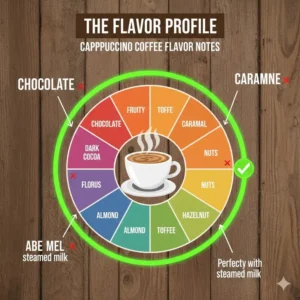
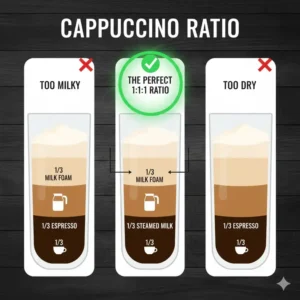
Choosing the best coffee beans for cappuccino requires an understanding of how coffee oils interact with dairy (or non-dairy) fats. Because a cappuccino is one-third espresso, one-third steamed milk, and one-third foam, your coffee beans for cappuccino need to have enough “backbone” to stand up to all that creaminess. I have tested dozens of bags, and frankly, some just disappear the moment you add a splash of milk. That is why we are looking for specific flavor profiles—think chocolate, caramel, and toasted nuts—rather than delicate floral notes that might get lost in the shuffle.
Before we dive into the nitty-gritty details of extraction and roast profiles, let’s look at how the best beans for cappuccino compare to other popular options on the market. It is important to realize that what works for a black pour-over might not be the best coffee for cappuccino enthusiasts.
Coffee Bean Style Comparison
| Feature | Best Beans for Cappuccino | Standard Drip Beans | Light Roast (AeroPress/Pourover) |
| Roast Level | Medium-Dark to Dark | Medium | Light |
| Body | Full and Syrupy | Medium | Light/Tea-like |
| Flavor Profile | Chocolate, Caramel, Nutty | Fruity, Balanced | Floral, Acidic, Citrus |
| Milk Interaction | Cuts through richness | Becomes muted | Often tastes sour with milk |
| Crema Production | High (often includes Robusta) | Moderate | Low |
| Acidity | Low to Moderate | Moderate | High |
Quick Comparison: Top 7 Coffee Beans for Cappuccino
If you are in a rush to get your caffeine fix, here is a quick look at my top recommendations for the best coffee beans for cappuccino available in 2026.
| Product Name | Roast Level | Best For | Primary Flavor Notes |
| Lavazza Super Crema | Medium | Authentic Italian Crema | Honey, Almonds, Dried Fruit |
| Kicking Horse Cliff Hanger | Medium | Organic Enthusiasts | Wild Berry, Chocolate |
| Stumptown Holler Mountain | Medium-Dark | Creamy Texture | Caramel, Fruity Undertones |
| Death Wish Coffee Whole Bean | Dark | Maximum Strength | Cherry, Chocolate |
| Peet’s Espresso Forte | Dark | Bold Punch | Hazelnut, Rich Cocoa |
| Intelligentsia Black Cat | Medium | Third-Wave Quality | Dark Sugar, Stone Fruit |
| Illy Classico | Medium | Smoothness | Caramel, Orange Blossom |
Top 7 Best Coffee Beans for Cappuccino: Expert Analysis
I have spent the last few weeks revisiting these classics and some new favorites to ensure they still hold up in 2026. Here is the breakdown of the absolute best coffee beans for cappuccino you can buy right now.
1. Lavazza Super Crema Whole Bean Coffee Blend (Model: 4122)
When people talk about the best coffee beans for cappuccino, this is usually the first name mentioned. Lavazza is an Italian institution, and the Super Crema blend is specifically designed for milk-based drinks. It uses a 60/40 mix of Arabica and Robusta beans.
-
Technical Specifications:
-
Origin: Brazil, Colombia, India, Indonesia, Vietnam.
-
Roast: Medium.
-
Bean Type: 60% Arabica, 40% Robusta.
-
Bag Size: 2.2-pound (1kg) bag.
-
Aroma: Honey and Almond.
-
-
Customer Review Analysis: Users consistently praise the thick crema it produces. Many mention that it is very forgiving to “dial in” on home espresso machines. Some reviewers note that the Robusta content gives it a bit more of a caffeine kick, which I personally appreciate on Monday mornings.
-
Professional Application: Ideal for home baristas using super-automatic machines like those from Gaggia or Jura.
-
Pros:
-
Incredible crema production.
-
Very smooth, non-acidic finish.
-
Great value for the price.
-
-
Cons:
-
The oily beans can sometimes clog very sensitive grinders.
-
Not for those who prefer 100% Arabica purity.
-
2. Kicking Horse Coffee, Cliff Hanger Espresso (Model: 062945600021)
For those who want organic and Fairtrade options, this is arguably the best bean for cappuccino. Kicking Horse is known for their bold, no-nonsense approach to roasting.
-
Technical Specifications:
-
Origin: Africa, Indonesia, Central & South America.
-
Roast: Medium.
-
Certifications: Organic, Fairtrade, Kosher.
-
Flavor Profile: Bright, fruity, with a chocolatey finish.
-
Grind: Whole Bean.
-
-
Customer Review Analysis: Fans of this bean love the “bright” notes that still manage to taste great with milk. Some users have reported that the “wild berry” notes can be a bit sharp if the extraction isn’t perfect, but once you get the temperature right, it’s magic.
-
Professional Application: Excellent for manual espresso machines where you have control over the brew temperature.
-
Pros:
-
Eco-friendly and ethically sourced.
-
Unique fruity profile that cuts through milk.
-
Very fresh packaging.
-
-
Cons:
-
Higher acidity than traditional Italian roasts.
-
Requires precise grinding to avoid sourness.
-
3. Stumptown Coffee Roasters Holler Mountain (Model: ST-HM-12)
This is a legendary organic blend. If you want the best coffee for cappuccino that feels modern and “craft,” Holler Mountain is the way to go. It is creamy, complex, and deeply satisfying.
-
Technical Specifications:
-
Origin: Seasonal blend (usually Latin America and Southeast Asia).
-
Roast: Medium-Dark.
-
Bag Size: 12-ounce.
-
Tasting Notes: Caramel, creamy chocolate.
-
Method: Optimized for espresso.
-
-
Customer Review Analysis: Reviewers often mention how “thick” the coffee feels. It has a heavy mouthfeel that makes it one of the best espresso beans for cappuccino. Some customers wish the bags were larger for the price point.
-
Professional Application: Used in high-end cafes across the USA; perfect for the “prosumer” home setup.
-
Pros:
-
Rich, syrupy texture.
-
Direct-trade sourcing ensures quality.
-
Extremely consistent batch to batch.
-
-
Cons:
-
More expensive per ounce than bulk brands.
-
Smaller 12-ounce bags go quickly.
-
4. Death Wish Coffee Co. Whole Bean Coffee (Model: DW-16)
Sometimes you don’t just want a cappuccino; you want a wake-up call. Death Wish is famous for being the world’s strongest coffee. While it’s dark, it isn’t burnt, making it a surprising contender for the best coffee beans for cappuccino.
-
Technical Specifications:
-
Roast: Dark.
-
Bean Type: High-quality Arabica and Robusta blend.
-
Caffeine Content: Significantly higher than standard beans.
-
Certifications: Organic and Fairtrade.
-
Flavor: Cherry and Chocolate.
-
-
Customer Review Analysis: Most people buy it for the caffeine, but they stay for the flavor. It is surprisingly low-acid. One user noted it’s the only coffee that “doesn’t get lost in a 12-ounce cup of milk.”
-
Professional Application: Great for those who prefer a large “American-style” cappuccino with a lot of milk.
-
Pros:
-
Highest caffeine content on this list.
-
Bold flavor that never tastes weak.
-
Excellent packaging design.
-
-
Cons:
-
Might be too intense for casual drinkers.
-
The “Dark” roast can be a bit smoky for some.
-
5. Peet’s Coffee Espresso Forte (Model: 500512)
Peet’s has a long history of dark roasting. Their Espresso Forte is their signature “stout” blend. I find this to be a very reliable choice for people who want a traditional, heavy cappuccino experience.
-
Technical Specifications:
-
Origin: Indo-Pacific and Americas.
-
Roast: Dark.
-
Body: Full.
-
Tasting Notes: Hazelnut, Cocoa, Cream.
-
Freshness: Roasted in small batches.
-
-
Customer Review Analysis: Users appreciate the reliability. “It tastes the same every time I buy it,” says one long-time customer. It is praised for its “bite” that balances well with sugary syrups if you like flavored cappuccinos.
-
Professional Application: Perfect for traditional espresso machines like the Rancilio Silvia.
-
Pros:
-
Deep, complex nutty notes.
-
Very affordable and widely available.
-
Produces a very dark, rich crema.
-
-
Cons:
-
Can taste a bit “ashy” if over-extracted.
-
Not as nuanced as light/medium craft roasts.
-
6. Intelligentsia Black Cat Classic Espresso (Model: B-CAT-EL)
This is the bean that started the specialty espresso movement. If you want the best beans for cappuccino that lean towards sweetness rather than bitterness, Black Cat is your best friend.
-
Technical Specifications:
-
Roast: Medium.
-
Direct Trade: Yes.
-
Flavor Profile: Dark sugar, cane syrup, stone fruit.
-
Varietal: 100% Arabica.
-
Seasonal: Components change slightly to ensure peak freshness.
-
-
Customer Review Analysis: Enthusiasts love the sweetness. “It tastes like a dessert even without sugar,” according to one reviewer. Some beginners find it a bit tricky to dial in because it’s a lighter roast than traditional espresso.
-
Professional Application: The standard for “Third Wave” coffee shops.
-
Pros:
-
Incredible natural sweetness.
-
Very high-quality bean selection.
-
Modern, clean flavor profile.
-
-
Cons:
-
Harder to get the perfect extraction for beginners.
-
Pricey for a 12-ounce bag.
-
7. Illy Classico Whole Bean Coffee (Model: 7203)
Finally, we have Illy. They use a unique pressurized nitrogen can to keep the beans fresh. This is arguably the best coffee for cappuccino if you don’t go through coffee very quickly, as it stays fresh much longer than bags.
-
Technical Specifications:
-
Blend: 100% Arabica (9 different origins).
-
Roast: Medium.
-
Packaging: 8.8-ounce pressurized tin.
-
Tasting Notes: Jasmine, Caramel, Orange Blossom.
-
Grind: Whole Bean.
-
-
Customer Review Analysis: Customers swear by the freshness. The tin is a big selling point. The flavor is described as “sophisticated” and “very smooth.” Some users think the tin is a bit wasteful, though it is recyclable.
-
Professional Application: The go-to brand for many high-end hotels and restaurants globally.
-
Pros:
-
Stays fresh for a very long time.
-
Incredibly smooth and balanced.
-
Easy to find in most upscale grocery stores.
-
-
Cons:
-
Small quantity per tin.
-
Can be expensive compared to buying in bulk.
-
✨ Don’t Miss These Exclusive Deals! 🔍
🔍 Take your morning coffee to the next level with these carefully selected products. Click on any highlighted item to check current pricing and availability. These beans will help you create authentic coffeehouse flavors your family will love! ✨
💬 Just one click – help others make better buying decisions too!😊
[addtoany]
Comparison of Technical Specifications
To help you decide which of these amazing options is right for your kitchen, let’s look at a detailed matrix of their specifications.
| Product | Roast Level | Bean Type | Best Prep Method | Freshness Tech |
| Lavazza Super Crema | Medium | Arabica/Robusta | Super-Auto/Manual | Valve Bag |
| Kicking Horse | Medium | 100% Arabica | Manual/AeroPress | Valve Bag |
| Stumptown Holler | Med-Dark | 100% Arabica | Manual Espresso | Small Batch |
| Death Wish | Dark | Arabica/Robusta | Espresso/Moka Pot | Valve Bag |
| Peet’s Forte | Dark | 100% Arabica | Manual Espresso | Local Roasting |
| Intelligentsia | Medium | 100% Arabica | Manual Espresso | Direct Trade |
| Illy Classico | Medium | 100% Arabica | Any Espresso | Pressurized Tin |
Why The Bean Choice Matters for a Cappuccino
You might be wondering, “Why can’t I just use the same beans I use for my French Press?” Well, you can, but you might not like the results. A cappuccino is a very specific chemical balance. When you steam milk, you are breaking down fats and proteins to create sweetness. If your coffee is too acidic (like a light roast Ethiopian), that acidity can actually make the milk taste slightly curdled or sour.
Furthermore, the best coffee beans for cappuccino are usually roasted longer to develop “Maillard reaction” products—those savory, bready, and chocolatey flavors. These flavors are the perfect dance partner for the natural sugars in milk.
Benefits of Using Specialized Espresso Beans
| Benefit | Espresso Specific Beans | Generic Coffee Beans |
| Crema Density | Thick, lasting 2.5-3.5mm | Thin, dissipates quickly |
| Flavor Clarity | Designed to be concentrated | Designed to be diluted in water |
| Milk Balance | Maintains coffee flavor | Often tastes like “hot milk” |
| Grind Consistency | Brittle, easy to grind fine | Can be too hard or soft |
| Chemical Stability | Less likely to taste sour | High risk of “bright” acid |
The Ultimate Buying Guide for Best Coffee Beans for Cappuccino
If you are still on the fence about which beans to buy, I have put together this comprehensive guide to help you navigate the world of coffee beans for cappuccino. There are four main pillars you should consider: Roast, Origin, Freshness, and Bean Species.
1. Roast Level: The Golden Rule
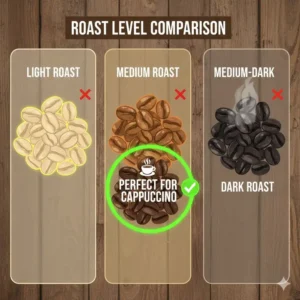
For a cappuccino, I usually recommend a Medium-Dark roast. Why?
-
Medium Roast: Retains some of the “origin character” (the fruity or floral notes) but has enough sugar browning to taste good with milk.
-
Dark Roast: Offers those classic “coffee” flavors—smoke, chocolate, and spice. Great if you like a very “strong” tasting cappuccino.
-
Light Roast: Generally avoided. The high acidity can clash with the milk, though some modern “third-wave” shops are experimenting with it.
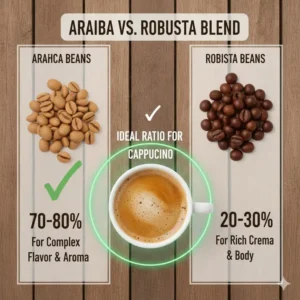
2. Arabica vs. Robusta
This is a heated debate in the coffee world.
-
Arabica: Known for quality, sweetness, and complex flavors. Most “premium” beans are 100% Arabica.
-
Robusta: Often looked down upon, but it has twice the caffeine and produces a massive amount of crema. Many of the best beans for cappuccino (like Lavazza) include a small percentage of Robusta to give the espresso that thick, velvety top that looks so good in a glass.
3. Freshness is King
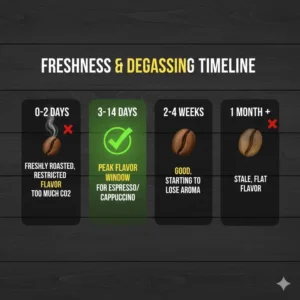
Coffee is a perishable product. Once roasted, beans start to lose their flavor oils within weeks. In 2026, we have better shipping than ever, but you still want to look for a “Roasted On” date rather than a “Best By” date. I always try to use my beans within 4-6 weeks of roasting.
4. Processing Method
-
Washed Process: Usually results in a cleaner, more acidic cup.
-
Natural Process: Often results in a funkier, fruitier, and heavier body. For a cappuccino, natural process beans can add a wonderful “berry and cream” vibe.
Budget vs. Premium Comparison
| Category | Typical Price (per lb) | Best For | Recommended Brand |
| Budget | $10 – $15 | Daily drinking, high volume | Lavazza |
| Mid-Range | $16 – $22 | Quality seekers, organic | Kicking Horse |
| Premium | $23+ | Connoisseurs, special occasions | Intelligentsia |
Technical Deep Dive: The Science of Extraction
To get the most out of the best coffee beans for cappuccino, you need to understand extraction. Extraction is the process of dissolving the flavors from the coffee grounds into the water.
When you make espresso for a cappuccino, you are aiming for a specific ratio. The “standard” is a 1:2 ratio. This means if you put 18 grams of coffee in your basket, you want 36 grams of espresso out in about 25-30 seconds.
Common Extraction Issues
-
Under-extracted (Too Fast): Tastes sour, salty, and thin. This happens if your grind is too coarse.
-
Over-extracted (Too Slow): Tastes bitter, dry, and ashy. This happens if your grind is too fine or your water is too hot.
If you are using the best coffee for cappuccino, you have a wider “sweet spot.” Medium-dark beans are more soluble, meaning they give up their flavors more easily than light roasts.
Performance Metrics for Cappuccino Prep
| Metric | Ideal Range | Why it matters |
| Water Temp | 195°F – 205°F | Affects how much oil is extracted |
| Pressure | 9 Bars | Creates the crema |
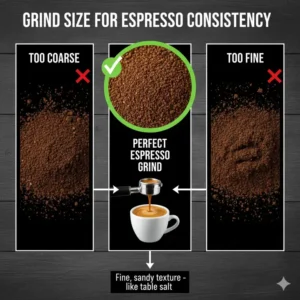
| Grind Size | Fine (Salt-like) | Controls the flow rate |
| Dose | 18-20 grams | Determines the strength |
| Yield | 36-40 grams | Determines the concentration |
How to Froth Milk for Your Selected Beans
Choosing the best bean for cappuccino is only half the battle. The other half is the milk. According to the Specialty Coffee Association, the ideal temperature for steamed milk is between 140°F and 155°F. Any hotter, and you risk burning the milk sugars, which will ruin the flavor of even the most expensive beans.
Milk Types and Bean Pairing
-
Whole Milk: The gold standard. Its high fat content pairs perfectly with dark, chocolatey beans like Peet’s Espresso Forte.
-
Oat Milk: The best dairy alternative. It has a natural sweetness that works beautifully with medium roasts like Stumptown Holler Mountain.
-
Almond Milk: Can be a bit thin. I recommend a very bold bean like Death Wish to ensure the coffee flavor isn’t lost.
Benefits of Different Milk Approaches
| Milk Type | Best Bean Pairing | Foam Quality | Flavor Impact |
| Whole Dairy | Dark Roast | Excellent (Microfoam) | Sweet & Creamy |
| 2% Dairy | Medium-Dark | Good | Balanced |
| Oat (Barista) | Medium Roast | Excellent | Nutty & Sweet |
| Soy | Dark Roast | Moderate | Slightly “Beany” |
Expert Tips for the Perfect Cappuccino
-
Warm Your Cup: This is a pro-move. If you pour a hot cappuccino into a cold ceramic cup, the foam will collapse faster. Run some hot water into your cup while you are grinding your beans.
-
Clean Your Wand: Always purge your steam wand before and after frothing. Old milk trapped in the wand is not only gross but will affect the flavor of your best coffee for cappuccino.
-
The “Thump and Swirl”: After frothing your milk, give the pitcher a firm thump on the counter to break large bubbles, then swirl it to incorporate the foam. It should look like wet paint.
-
Freshly Ground is Mandatory: If you buy the best beans for cappuccino but grind them a week before using them, they will taste like cardboard. Invest in a decent burr grinder.
User Compatibility Matrix
| User Type | Recommended Bean | Reasoning |
| The Beginner | Lavazza Super Crema | Easy to dial in, very forgiving. |
| The Health Conscious | Kicking Horse | Organic and ethically sourced. |
| The Morning Zombie | Death Wish | High caffeine to get you moving. |
| The Coffee Snob | Intelligentsia Black Cat | Highest quality and sweetness. |
| The Traditionalist | Illy Classico | The quintessential Italian taste. |
✨ Upgrade Your Morning Routine Today! ☕
🔍 Ready to taste the difference? Your journey to the perfect home cappuccino starts with the right bean. Click on any of our top-rated products above to see the latest deals and customer reviews on Amazon. Your taste buds will thank you! 🚀
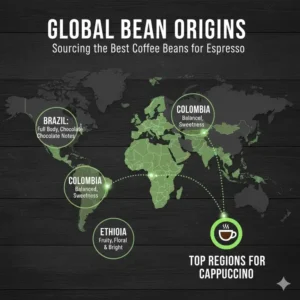
Conclusion: Finding Your Perfect Brew
In the end, the best coffee beans for cappuccino are the ones that make you excited to get out of bed in the morning. Whether you prefer the thick, caffeine-heavy crema of Lavazza Super Crema or the sophisticated, sweet notes of Intelligentsia Black Cat, the key is quality and freshness.
I have found that my preference changes with the seasons. In the winter, I love a dark, comforting roast like Peet’s Espresso Forte. In the summer, I might go for something a bit lighter and fruitier like Kicking Horse Cliff Hanger. Don’t be afraid to experiment! The journey of finding the perfect bean is half the fun.
Remember, the chemistry of a cappuccino is a delicate balance of fat, sugar, and acid. By starting with high-quality beans specifically roasted for espresso, you are already 90% of the way to a coffeehouse-quality drink.
Frequently Asked Questions
❓ What roast level is best for a cappuccino?
❓ Can I use regular ground coffee for cappuccino?
❓ Is 100% Arabica always better for cappuccinos?
❓ How long do coffee beans stay fresh?
❓ Does the origin of the bean matter for milk drinks?
Recommended for You
- Best Italian Coffee Beans: 7 Top-Rated Picks for Authentic Espresso Flavor
- Best Espresso Beans for Espresso Machine: Top 7 Expert Picks for 2026
- 7 Best Italian Espresso Brands in 2026: The Ultimate Expert Review
Disclaimer: This article contains affiliate links. If you purchase products through these links, we may earn a small commission at no additional cost to you.
✨ Found this helpful? Share it with your friends! 💬🤗
[addtoany]
