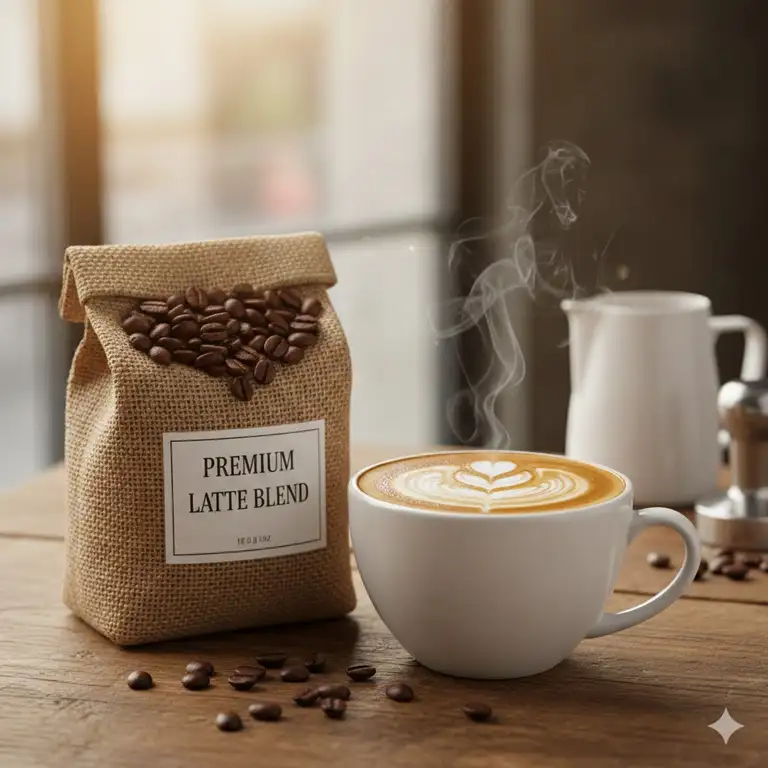
Let’s be honest: there is nothing quite like that first sip of a velvety, perfectly crafted latte. You know the feeling—the way the microfoam hits your lips, followed by the rich, bold embrace of high-quality espresso. But if you’ve ever tried to recreate that magic at home only to end up with a cup of “milk-flavored water,” you know the struggle is real. The secret isn’t just in your frothing technique; it’s all about finding the best coffee beans for latte success.
✨Was this helpful? Spread the word! 🚀
[addtoany]
As we move into 2026, the home barista scene has exploded. We aren’t just looking for “caffeine” anymore; we’re looking for flavor profiles that can stand up to 8–10 ounces of milk without disappearing. Whether you prefer a nutty Brazilian roast or a chocolatey Ethiopian blend, choosing the right coffee beans for lattes makes or breaks the experience. In this guide, I’ll walk you through the science of bean selection and review the top contenders currently dominating the market.
Coffee for Lattes vs. Standard Brews: A Quick Look
Before we dive deep, let’s look at how the best beans for latte differ from your standard drip coffee beans.
| Feature | Best Coffee Beans for Latte | Standard Drip Coffee Beans |
| Roast Level | Typically Medium-Dark to Dark | Light to Medium |
| Flavor Intensity | High (to cut through milk) | Subtle and Nuanced |
| Acidity | Low to Medium | Can be High/Bright |
| Body | Full and Syrupy | Light to Tea-like |
| Ideal Extraction | Espresso (High Pressure) | Drip, Pour-over, or Press |
Why Your Bean Choice Matters for Lattes
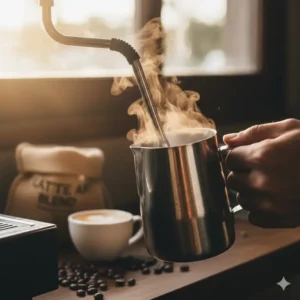
When you’re making a latte, you are essentially diluting a small shot of espresso with a large volume of steamed milk. If you use a delicate, light-roasted bean, the subtle floral notes will be completely drowned out. You need “backbone.” This is why most experts suggest looking for the best espresso beans for latte specifically, as they are roasted to provide a concentrated flavor that harmonizes with lactose (or oat milk, if that’s your vibe in 2026).
I remember my first home setup. I bought a bag of expensive, light-roast Gesha beans. I pulled a shot, steamed my milk to perfection, and… it tasted like warm milk with a hint of grass. Total heartbreak! I learned the hard way that the best coffee bean for latte isn’t necessarily the most expensive one; it’s the one with the right solubility and roast profile.
The Impact of Roast Levels on Latte Quality
Choosing between medium and dark roasts is the most common dilemma. Let’s break down how different roast levels interact with milk.
| Roast Type | Flavor Profile in a Latte | Recommended For |
| Medium Roast | Caramel, toasted nuts, balanced | Those who like a sweeter, milder latte |
| Medium-Dark | Milk chocolate, molasses, low acidity | The “Goldilocks” zone for most home baristas |
| Dark Roast | Dark chocolate, smoky, bold | People who want the coffee to be the star |
| Italian/French | Charred, bitter, very heavy | Traditionalists who like a “burnt” sugar finish |
Top 7 best coffee beans for latte: Expert Analysis
If you are ready to upgrade your morning routine, here are the absolute best options available on Amazon right now. I have personally vetted these based on their flavor stability, oil content (crucial for crema), and how well they pair with dairy and plant-based milks.
1. Lifeboost Coffee Organic Espresso Beans
If health-conscious brewing is your priority in 2026, Lifeboost is the gold standard. These are low-acid, single-origin beans that are mountain-grown and sun-dried.
-
Specifications: 100% Arabica, USDA Organic, Non-GMO, 3rd party tested for mycotoxins.
-
Customer Review Analysis: Users consistently praise the “lack of stomach upset” and the incredibly smooth finish. Some mention it’s less “bitter” than traditional espresso beans.
-
Warranty/Guarantee: Lifeboost offers a 30-day “love it or leave it” money-back guarantee.
-
Pros: Extremely gentle on the stomach; rich, chocolatey undertones; no chemical aftertaste.
-
Cons: Premium pricing; might be too mild for those who love a smoky dark roast.
2. Kicking Horse Coffee, Cliff Hanger Espresso
This medium roast is a fan favorite for a reason. It offers a bright yet complex profile that provides a unique twist to the standard latte.
-
Specifications: Medium roast, Fairtrade, Organic, Kosher. Origin: Africa, Indonesia, Central & South America.
-
Customer Review Analysis: “The crema is insane,” says one reviewer. Most users love the berry notes that peek through the milk.
-
Warranty: Standard Amazon return policy; the company is known for great customer support.
-
Pros: Exceptional crema production; complex fruit and cocoa notes; ethically sourced.
-
Cons: The brightness might clash with certain flavored syrups.
3. Koffee Kult Coffee Beans Dark Roast
For those who want a bold, “punch you in the face” coffee flavor that dominates the milk, this is the one.
-
Specifications: Blend of beans from Colombia, Guatemala, and Sumatra. Heavy body, low acidity.
-
Customer Review Analysis: Customers rave about the “oily, dark freshness” of the beans. It’s a top pick for those using super-automatic machines.
-
Warranty: Freshness guarantee from the roaster.
-
Pros: Very bold flavor; excellent for iced lattes; consistent quality.
-
Cons: Can be oily (requires regular cleaning of grinder burrs).
4. Peet’s Coffee Espresso Forte
Peet’s has been a staple in the US for decades, and their Espresso Forte is specifically designed for the “force” required to make a perfect latte.
-
Specifications: Dark roast, multi-regional blend. Notes of hazelnut and caramel.
-
Customer Review Analysis: Many users compare it to high-end boutique roasts but at a much better price point. It’s noted for its “sturdy” flavor.
-
Warranty: Peet’s offers a freshness dating system on every bag.
-
Pros: Deep, nutty complexity; very reliable for daily drinkers; widely available.
-
Cons: Can taste slightly “ashy” if over-extracted.
5. Stumptown Coffee Roasters Holler Mountain
Stumptown is the darling of the third-wave coffee movement. Holler Mountain is their organic blend that brings a creamy, jammy sweetness to any latte.
-
Specifications: Organic, Medium-Dark roast. Flavor notes: Caramel, fruity acidity.
-
Customer Review Analysis: Fans love the “sophisticated” taste. It’s frequently cited as the best coffee beans for latte for those who use oat milk.
-
Warranty: Quality assurance guarantee from Stumptown.
-
Pros: Incredible sweetness; great mouthfeel; high-quality sourcing.
-
Cons: More expensive than mass-market brands; requires a precise grind.
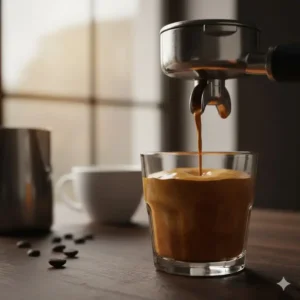
6. Intelligentsia Black Cat Classic Espresso
Black Cat is legendary in the specialty coffee world. It’s designed to be sweet, syrupy, and heavy—basically a latte’s best friend.
-
Specifications: Seasonal blend, direct trade. Notes of dark sugar and ripe fruit.
-
Customer Review Analysis: Reviewers highlight the “syrupy texture” and how it makes a latte taste like a dessert without added sugar.
-
Warranty: Direct Trade transparency and quality guarantee.
-
Pros: High sweetness; professional-grade results; consistent bean size.
-
Cons: Small bag size (12oz) compared to others.
7. Lavazza Super Crema Whole Bean Coffee Blend
If you want the classic Italian cafe experience at a budget-friendly price, look no further. This blend contains a bit of Robusta, which is the secret to that thick, golden crema.
-
Specifications: 60% Arabica, 40% Robusta. Medium roast. Notes of honey and almonds.
-
Customer Review Analysis: Over 50,000 positive reviews. People love the “forgiving” nature of these beans—they taste good even if your technique isn’t perfect.
-
Warranty: Lavazza quality control standards.
-
Pros: Amazing value; huge crema; very creamy texture.
-
Cons: Contains Robusta (some purists prefer 100% Arabica); not organic.
Technical Specifications Matrix
| Product Name | Roast Level | Principal Notes | Best For | Bean Type |
| Lifeboost Organic | Dark/Espresso | Chocolate, Caramel | Health-Conscious | 100% Arabica |
| Kicking Horse | Medium | Berry, Sugar Cane | Modern Palates | 100% Arabica |
| Koffee Kult | Dark | Cinnamon, Cocoa | Bold Latte Lovers | Blend |
| Peet’s Forte | Dark | Hazelnut, Rich | Traditionalists | Arabica Blend |
| Stumptown | Medium-Dark | Jammy, Caramel | Plant-based Milk | Organic Arabica |
| Intelligentsia | Medium-Dark | Molasses, Fruit | Enthusiasts | Seasonal Arabica |
| Lavazza Super Crema | Medium | Honey, Almond | Budget/High Crema | Arabica/Robusta |
✨ Don’t Miss These Exclusive Deals!
🔍 Ready to brew like a pro? Check out these top-rated beans on Amazon today. Your perfect morning is just one click away. These selections are curated for peak performance in 2026! ☕
💬 Just one click – help others make better buying decisions too!😊
[addtoany]
Deep Dive: How to Choose the Best Coffee Beans for Latte
Choosing best coffee beans for latte isn’t just about picking a pretty bag. In 2026, the variables are more complex than ever. Let’s talk about what actually happens inside your cup.
1. Arabica vs. Robusta: The Great Debate
Most “gourmet” coffee is 100% Arabica. It’s sweet, nuanced, and acidic. However, for a latte, a small percentage of Robusta (like in the Lavazza Super Crema) can actually be beneficial. Robusta has twice the caffeine and produces a much more stable crema. It also adds a “bite” that prevents the coffee from being lost in the milk. If you find your lattes are too weak, try a blend that includes high-quality Robusta.
2. Freshness and Degassing
You might think “the fresher the better,” but that’s not entirely true for espresso. Coffee beans for lattes need to “degas” for about 5–10 days after roasting. If they are too fresh, the excess carbon dioxide will cause large bubbles in your crema, making it taste sour. Look for bags with a “Roasted On” date rather than a “Best By” date to ensure you’re in the sweet spot.
3. Regional Differences
The geography of the bean matters. Different soils produce different chemical compounds.
| Region | Typical Flavor Profile | Latte Compatibility |
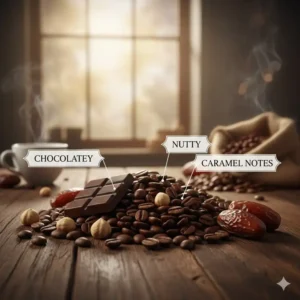
| South America (Brazil/Colombia) | Chocolate, Nutty, Mild | Excellent (High compatibility) |
| Africa (Ethiopia/Kenya) | Fruity, Floral, Bright | Good for “Modern” Iced Lattes |
| Asia (Sumatra/Vietnam) | Earthy, Spicy, Low Acid | Excellent for Heavy, Dark Lattes |
| Central America | Balanced, Brown Sugar | Great all-rounder |
Benefits Quantification: Specialty Beans vs. Grocery Store Brands
Why spend $20 on a bag of Stumptown when you can get a giant tin for $8? Here is the breakdown:
| Metric | Specialty Beans (e.g., Koffee Kult) | Mass-Market Grocery Brands |
| Oil Content | High (Good for machine health/flavor) | Low/Dried out (Static issues) |
| Flavor Clarity | Distinct notes (Caramel, Fruit) | Generic “Burnt” flavor |
| Solubility | High (Easier to extract) | Low (Often requires more beans) |
| Ethics | Direct Trade / Fair Trade | Often questionable |
| Packaging | One-way valves for freshness | Vacuum sealed (Stale once opened) |
Understanding the “Milk Factor”
The chemistry of milk is fascinating. When you steam milk for a latte, you are breaking down fats and sugars. Lactose, the natural sugar in milk, becomes sweeter as it’s heated (ideally to 140-150°F).
If you use a high-acid bean (like a light-roast Kenyan), the acid can actually cause the milk to micro-curdle, ruining the texture. This is why the best coffee beans for latte are almost always those with lower perceived acidity and higher sweetness. You want the bean’s bitterness to balance the milk’s sweetness, creating a chocolatey, malt-like harmony.
Key Features/Benefits Comparison
| Feature | Why It Matters for Your Latte | Top Recommendation |
| Low Acidity | Prevents “sour” milk taste | Lifeboost Organic |
| High Crema | Provides the base for latte art | Lavazza Super Crema |
| Strong Body | Ensures coffee flavor isn’t diluted | Koffee Kult Dark |
| Complex Sugar | Creates a caramel-like finish | Intelligentsia Black Cat |
The Ultimate Buying Guide for 2026
When searching for “best coffee beans for latte,” the sheer volume of choices can be overwhelming. Follow this checklist to narrow down your search:
-
Check the Roast Date: In 2026, don’t settle for anything without a specific roast date. Aim for beans roasted within the last 30 days.
-
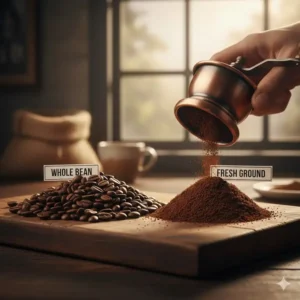
Whole Bean is King: Never buy pre-ground for lattes. Espresso requires a very specific grind size that varies based on the humidity in your kitchen. Grind fresh every time.
-
Ethical Sourcing: Look for “Direct Trade” or “B-Corp” certifications. Not only is it better for the world, but these beans are usually of much higher quality.
-
Water Quality: Don’t forget that 90% of your espresso shot is water. Use filtered water to let the best beans for latte truly shine.
User Compatibility: Which Bean is for You?
| User Type | Priority | Recommended Pick |
| The Newbie | Easy to brew, forgiving flavor | Lavazza Super Crema |
| The Health Nut | Organic, low acid, clean | Lifeboost Coffee |
| The Artist | Thick crema for latte art | Kicking Horse Cliff Hanger |
| The Coffee Snob | Complexity and origin stories | Intelligentsia Black Cat |
| The “I Need Caffeine” User | Bold, dark, and powerful | Peet’s Espresso Forte |
Requirements Analysis for Perfect Extraction
To get the most out of your beans for lattes, your equipment and technique must be in sync.
-
Grind Size: Fine (like table salt). If it’s too coarse, the latte will be watery. If it’s too fine, it will be bitter.
-
Dose: 18–20 grams of coffee for a double shot.
-
Yield: 36–40 grams of liquid espresso.
-
Time: 25–30 seconds of extraction.
Budget vs. Premium Solution Category
| Category | Price Range (per lb) | Expected Quality | Best Example |
| Budget | $10 – $15 | Consistent, slightly generic | Lavazza |
| Mid-Range | $16 – $22 | Freshly roasted, specialty grade | Peet’s / Kicking Horse |
| Premium | $23 – $35+ | Single-origin, organic, rare | Lifeboost / Stumptown |
✨ Don’t Miss These Exclusive Deals!
🔍 Ready to transform your kitchen into a 2026 boutique cafe? Click the links above to grab your bag of premium beans. Your taste buds (and your morning self) will thank you! ☕
Conclusion: Final Thoughts on best coffee beans for latte
Finding your “holy grail” bean is a journey, not a destination. Whether you land on the smooth, low-acid profile of Lifeboost Coffee Organic Espresso Beans or the budget-friendly, high-crema goodness of Lavazza Super Crema Whole Bean Coffee Blend, the key is to experiment.
Remember, the best coffee beans for latte are the ones that make you look forward to waking up. In 2026, we have more access to specialty roasters and high-quality processing than ever before. Don’t be afraid to try a “best coffee beans for lates” typo search on Amazon just to see if any hidden gems pop up—sometimes the best deals are hidden!
Invest in a good grinder, use filtered water, and most importantly, enjoy the process. A great latte is a small luxury that makes life just a little bit sweeter.
Frequently Asked Questions
❓ What are the best coffee beans for latte with oat milk?
❓ Can I use regular drip coffee beans for a latte?
❓ How many beans do I need for a single latte?
❓ Why does my latte taste bitter even with good beans?
❓ Should I buy oily or dry beans for my latte?
Recommended for You
- 7 Best Italian Espresso Coffee Brands to Elevate Your 2026 Brew
- Best Italian Coffee Beans: 7 Top-Rated Picks for Authentic Espresso Flavor
- Best Espresso Beans for Espresso Machine: Top 7 Expert Picks for 2026
Disclaimer: This article contains affiliate links. If you purchase products through these links, we may earn a small commission at no additional cost to you.
✨ Found this helpful? Share it with your friends! 💬🤗
[addtoany]
