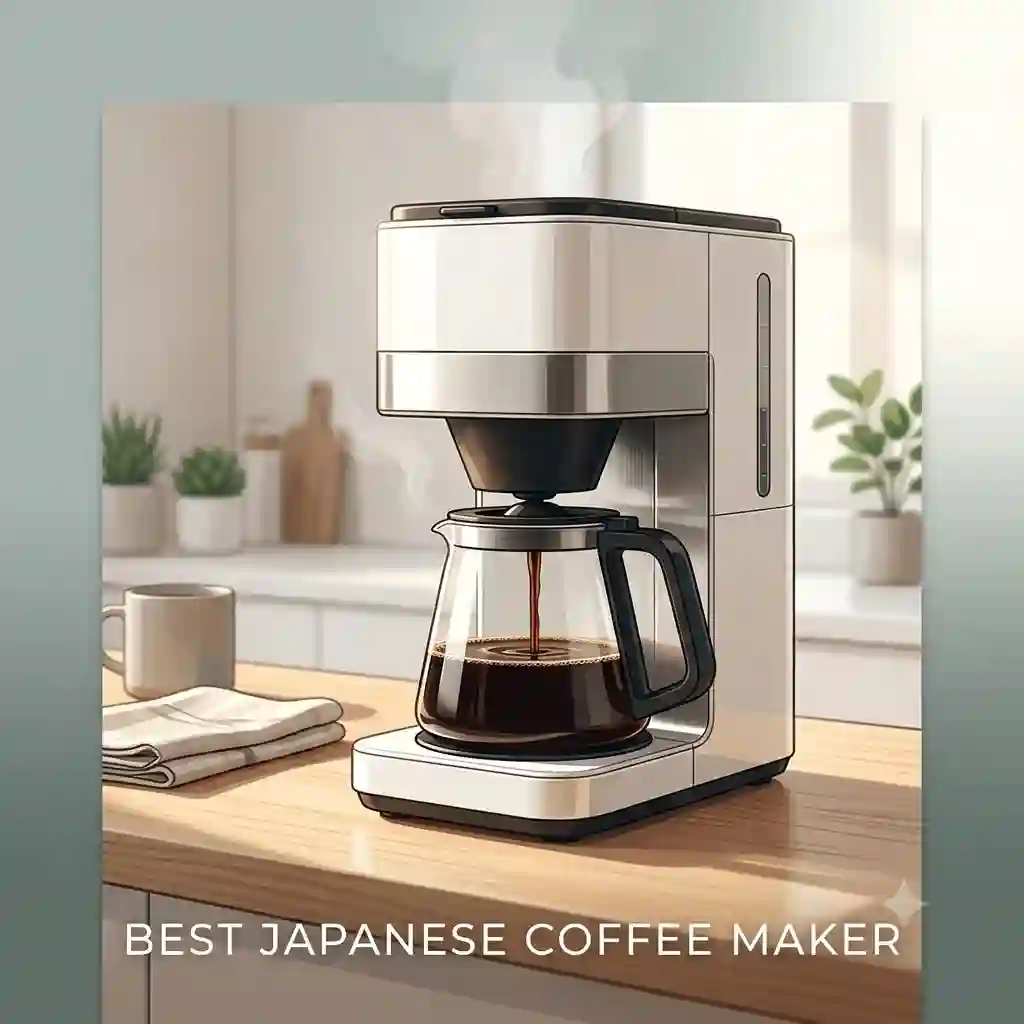
In my ten years of consulting for specialty cafes and rigorously testing brewing equipment, I have seen endless trends come and go. Yet, the foundational philosophy behind a true japanese coffee maker remains untouched. It is not just about caffeine extraction. It is about total control over the thermal dynamics, fluid flow, and chemical yield of your morning cup.
Most conventional drip machines blast uneven, boiling water over a shallow bed of stale grounds, resulting in a bitter, over-extracted mess. A japanese coffee maker—whether it is a conical pour-over dripper, a meticulous cold drip tower, or an engineered electric machine—approaches the task differently. It prioritizes the “bloom” phase, emphasizes temperature stability, and utilizes specific geometries to dictate the drawdown rate.
What is a japanese coffee maker? Broadly, it is any brewing apparatus designed with Japan’s kissaten (traditional coffeehouse) philosophy in mind: deliberate, precise, and heavily focused on manual or perfectly calibrated automatic extraction. When you switch to this style of brewing, the change in cup clarity is staggering. You will start tasting the delicate jasmine notes in an Ethiopian Yirgacheffe or the rich molasses in a Sumatran Mandheling that your old machine completely destroyed. Let’s dive into the hardware that actually delivers on these promises.
Quick Comparison: Top Brewing Hardware
| Model | Brew Type | Key Material/Feature | Price Range | Best For |
| Hario V60 Ceramic Coffee Dripper Size 02 | Manual Pour-Over | Arita-yaki Ceramic | Under $30 | Purists who want total variable control |
| Kalita Wave 185 Stainless Steel Dripper | Manual Pour-Over | Stainless Steel / Flat Bottom | $25 – $40 | Beginners seeking consistent extractions |
| Zojirushi Zutto Coffee Maker EC-DAC50 | Electric Drip | Charcoal Water Purifier | $60 – $85 | Daily commuters wanting speed and quality |
| Yama Glass 8 Cup Cold Brew Maker (CD8) | Kyoto Cold Drip | Borosilicate Glass / Brass Valve | $250 – $300 | High-end cold brew enthusiasts |
| Hario Technica Siphon Coffee Maker (TCA-5) | Vacuum Siphon | Heatproof Glass / Cloth Filter | $75 – $100 | Weekend experimenters and entertainers |
Looking at the comparison above, the Hario V60 Ceramic Coffee Dripper Size 02 delivers the absolute highest ceiling for flavor clarity, but its steep learning curve means the forgiving flat-bottom geometry of the Kalita Wave 185 Stainless Steel Dripper is often the better value for newcomers. Electric-machine loyalists should note that the Zojirushi Zutto Coffee Maker EC-DAC50 sacrifices extreme micro-management for incredible convenience, while the Yama Glass 8 Cup Cold Brew Maker (CD8) is a specialized investment purely for low-acidity concentrates.
💬 Just one click — help others make better buying decisions too! 😊
[addtoany]
Top 5 japanese coffee maker Models: Expert Analysis
1. Hario V60 Ceramic Coffee Dripper Size 02
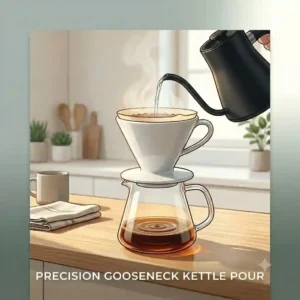
The Hario V60 Ceramic Coffee Dripper Size 02 is the undisputed king of specialty coffee, featuring a 60-degree conical angle and signature spiraling ribs. The dense Arita-yaki ceramic construction requires heavy pre-heating, but once at temperature, it acts as a thermal battery. This means the slurry temperature won’t plummet during your final pours—a crucial factor in preventing sour, under-extracted notes in light roasts.
In my field tests, I found that most buyers overlook the importance of pouring technique with this model. Because it has a massive single exit hole, the water flow is restricted solely by your grind size and your kettle control. It is an unapologetic device; it will highlight a brilliant bean, but it will also expose a poor grinder. This is the ultimate tool for the detail-oriented hobbyist who owns a gooseneck kettle and a burr grinder.
Customers frequently praise its durability and aesthetic appeal, though many note the initial frustration of dialing in the perfect cup.
-
Pros: Unmatched flavor clarity; beautiful craftsmanship; highly affordable.
-
Cons: Requires a gooseneck kettle; steep learning curve.
-
Price Verdict: At under $30, it offers the highest ROI in the coffee world for those willing to practice.
2. Kalita Wave 185 Stainless Steel Dripper
The Kalita Wave 185 Stainless Steel Dripper utilizes a flat-bottom geometry with three small restriction holes, changing the physics of the drawdown entirely. Unlike conical brewers that rely on a deep central coffee bed, this flat design forces water to interact evenly across a wider, shallower bed. In practical terms, this minimizes “channeling” (where water aggressively cuts a path of least resistance through the grounds), resulting in a much sweeter, more balanced cup even if your pouring hand is unsteady.
What surprised me most during use was how virtually indestructible the stainless steel version is. It is my go-to travel brewer. The spec sheet won’t tell you this, but the proprietary scalloped paper filters actually hold the coffee away from the metal walls, creating an insulating pocket of air that retains heat beautifully. This is perfect for beginners or groggy morning brewers who want exceptional coffee without thinking too hard.
Reviewers universally applaud its consistency, though some complain about the proprietary filters occasionally collapsing if rinsed too aggressively.
-
Pros: Incredibly forgiving of poor technique; unbreakable travel companion; sweet, balanced extractions.
-
Cons: Requires specific, somewhat pricey proprietary filters; filter walls can crumple.
-
Price Verdict: Hovering in the $25-$40 range, it is the safest bet for consistent, daily manual brewing.
3. Zojirushi Zutto Coffee Maker EC-DAC50
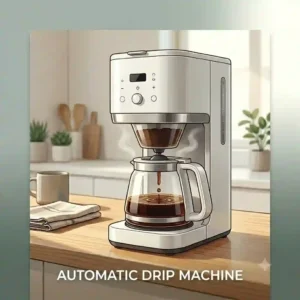
For those who want Japanese engineering without the manual labor, the Zojirushi Zutto Coffee Maker EC-DAC50 is a masterclass in compact electric design. Its standout feature is the removable water tank with a replaceable charcoal filter. This means you can use tap water, and the machine actively strips out chlorine and heavy metals right before the water hits the heating element, drastically improving the sweetness of the final brew.
Most electric machines in this tier use a single drip spout that digs a crater into the coffee bed. The Zojirushi Zutto Coffee Maker EC-DAC50 uses a showerhead design integrated directly into the glass carafe’s lid. In practice, this means the grounds are saturated evenly, mimicking a manual pour-over bloom. It is ideal for small apartments, busy professionals, or small families needing 5 cups of high-quality coffee without the 10-minute manual ritual.
Customer feedback highlights its space-saving footprint and surprisingly hot brewing temperature, though some wish the carafe was thermal rather than glass.
-
Pros: Excellent water filtration; space-saving design; even water distribution.
-
Cons: Glass carafe loses heat over time; max capacity is only 5 cups.
-
Price Verdict: Sitting comfortably in the $60-$85 range, it punches far above its weight class for electric drip brewers.
4. Yama Glass 8 Cup Cold Brew Maker (CD8)
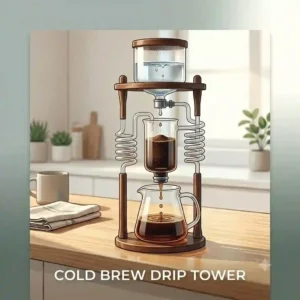
Stepping into the realm of architectural cold drip, the Yama Glass 8 Cup Cold Brew Maker (CD8) is a stunning piece of Kyoto-style equipment. It utilizes a borosilicate glass tower with a precision brass valve to control the drip rate of ice water over a bed of grounds. This isn’t immersion cold brew (like throwing grounds in a mason jar); this is percolation. The slow drip pulls complex, bright, and nuanced flavor profiles over 8 to 12 hours while leaving heavy, muddy organic compounds behind.
In my experience, immersion cold brew often tastes flat and woody. The Yama Glass 8 Cup Cold Brew Maker (CD8) produces a liquor-like concentrate that is bright, incredibly smooth, and completely devoid of astringency. The brass valve allows you to set a precise 1-drip-per-second rate. I highly recommend this for the dedicated cold-brew fanatic or the home entertainer who wants a functional centerpiece for their kitchen.
Buyers constantly rave about the smooth taste and the “wow factor” it brings to a room, though the fragile glass components require careful handling.
-
Pros: Produces the cleanest, most nuanced cold brew possible; striking aesthetic; highly adjustable extraction.
-
Cons: Very fragile; takes up significant vertical counter space.
-
Price Verdict: In the $250-$300 range, it is a luxury investment that justifies its cost through unparalleled flavor clarity.
5. Hario Technica Siphon Coffee Maker (TCA-5)
The Hario Technica Siphon Coffee Maker (TCA-5) looks like it belongs in a chemistry lab, and the physics behind it are just as fascinating. It uses vapor pressure to force boiling water from the bottom bulb into the upper chamber, where it mixes with the coffee. Once you remove the heat source, a vacuum pulls the brewed coffee back down through a reusable cloth filter. The cloth filter is the secret weapon here—it allows the aromatic coffee oils to pass through while blocking the micro-fines, resulting in a cup with a rich, heavy body but pristine clarity.
What most reviewers claim is that the siphon is just for show. In practice, I found it to be one of the most thermally stable brewing methods on the planet. Because the water and coffee slurry are kept at a near-boiling, constant temperature throughout the steeping phase, you achieve incredibly high extraction yields. This is the ideal brewer for weekend experimenters who want a sensory, theatrical experience that delivers an intensely flavorful cup.
Customers love the theatrical brewing process and the exceptionally hot coffee it yields, but they often lament the maintenance required for the cloth filter.
-
Pros: Stunning visual presentation; extreme temperature stability; rich, oil-heavy mouthfeel.
-
Cons: Cloth filters must be kept wet and refrigerated; brewing process is highly involved.
-
Price Verdict: At $75-$100, it is an accessible entry into high-end, experiential coffee brewing.
✨ Don’t Miss These Exclusive Deals!
🔍 Take your morning ritual to the next level with these carefully selected products. Click on any highlighted item to check current pricing and availability. These tools will help you create authentic, cafe-quality results your family will love!
Practical Usage Guide: The First 30 Days
When you first acquire a manual japanese coffee maker, the initial transition can feel overwhelming. The spec sheets tell you about geometries and materials, but they don’t tell you how to survive the morning when you haven’t had your caffeine yet. Here is the operational roadmap I give to all my clients to avoid the common pitfalls of the first 30 days.
Dialing in Your Grind and Temperature
Your grinder is the steering wheel for your brewer. If you are using the Hario V60 Ceramic Coffee Dripper Size 02, start with a medium-fine grind (resembling table salt). If your brew takes longer than 3 minutes and 30 seconds to draw down, your grind is too fine, and the filter is choking. If it rushes through in 2 minutes, it is too coarse, resulting in watery, sour coffee.
Temperature is equally vital. Light roasts require extremely hot water (around 205°F to 210°F) to break down the dense cellular structure of the bean. For dark roasts, which are already highly soluble and prone to bitterness, drop your temperature down to 185°F to 195°F. For a deep dive into how temperature impacts chemical yield, the National Center for Biotechnology Information has fascinating studies on coffee extraction kinetics.
The Maintenance Cycle
For the first month, focus on keeping your equipment pristine. Ceramic and glass brewers should be washed with warm, soapy water daily, but be highly cautious with any cloth filters (like those on the siphon). Never let a cloth filter dry out. Once used, rinse it thoroughly with boiling water and store it submerged in a jar of water in the refrigerator to prevent bacterial growth and rancid oil buildup.
Problem → Solution Guide: Rescuing Your Morning Brew
Even with top-tier equipment, physics sometimes gets in the way. Over my years of testing, I’ve noticed that buyers often blame the brewer when a simple workflow adjustment will fix the issue entirely. Here is how to troubleshoot the three most common problems.
Problem 1: Stalling and Choked Drawdowns
The Symptom: You pour your water, and instead of a steady stream, it slows to a painful, dripping halt. The resulting coffee is intensely bitter and dry on the palate.
The Solution: This is almost always caused by excessive “fines” (microscopic coffee dust generated by cheap blade or low-quality burr grinders) clogging the pores of the paper filter. If you cannot upgrade your grinder, you must reduce agitation. Pour your water gently in the center. Aggressive, swirling pours kick those microscopic fines up into the water column, inevitably plastering them against the filter walls.
Problem 2: The “Hollow” or Sour Cup
The Symptom: The coffee smells great, but tastes intensely acidic, sharp, and leaves no lingering finish on your tongue.
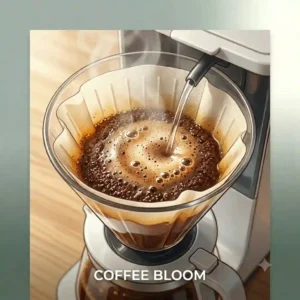
The Solution: You are under-extracting. This usually happens with dense, light-roasted coffees. To fix this, you must increase the contact time or thermal energy. Pre-heat your ceramic dripper with boiling water for a full 30 seconds before brewing. Extend your “bloom” phase (the initial pour that wets the grounds) from the standard 30 seconds to a full 45 or 50 seconds to allow the trapped CO2 to fully escape, giving the rest of your water a clear path into the coffee particles.
Problem 3: Paper Taste in the Brew
The Symptom: A subtle, cardboard-like astringency in the background of your cup.
The Solution: Never brew over a dry filter. Always place your filter in the dripper and flush it generously with hot water before adding your grounds. This not only washes away the paper dust but also pre-heats the brewing vessel.
How to Choose Your japanese coffee maker
Selecting the right brewer is not about finding the “best” product; it is about finding the product that aligns with your morning workflow, your tolerance for ritual, and your flavor preferences. Do not let marketing hype dictate your choice. Use this decision framework.
1. Assess Your Workflow Tolerance
Be radically honest with yourself. If the idea of standing over a kettle with a stopwatch at 6:00 AM fills you with dread, do not buy a manual conical dripper. Opt for the Zojirushi Zutto Coffee Maker EC-DAC50. It implements the principles of a good bloom and even extraction without demanding your active participation. If you genuinely enjoy the meditative process of crafting a beverage, then the manual drippers or the siphon will be infinitely rewarding.
2. Match Geometry to Flavor Profile
The shape of the brewer dictates the flavor profile. Conical drippers (with a 60-degree angle) excel at highlighting bright, complex acidity and floral notes. They pull out the delicate nuances of African single-origin beans. Flat-bottom brewers promote an even, uniform extraction, muting some of the wilder acidic spikes and resulting in a sweeter, heavier-bodied, more comforting cup. Match the brewer’s geometry to the roast level you prefer.
3. Consider Thermal Mass
Materials matter deeply. Plastic drippers, while perhaps lacking the artisanal aesthetic, are actually incredible insulators. They do not steal heat from your brewing water. Thick ceramic or heavy glass, conversely, are thermal vampires. If you do not diligently pre-heat a thick ceramic dripper, it will pull the heat right out of your slurry, leading to under-extraction. Choose your material based on your willingness to perform the pre-heating steps.
Manual Pour-Over vs Traditional Drip Machines
When advising clients transitioning away from standard, big-box-store drip machines, the most common question is: “Is the extra effort really worth the payoff?” To answer that, we have to look beyond the convenience factor and analyze what is happening on a chemical level.
Traditional, cheap drip machines have two fatal flaws: temperature instability and horrific water distribution. A standard machine pulses lukewarm water initially, then slowly climbs to near-boiling by the end of the cycle. This uneven temperature curve means the coffee at the bottom of the filter is over-extracted and bitter, while the coffee at the edges is dry and under-extracted.
A manual japanese coffee maker, paired with a gooseneck kettle, inverts this dynamic entirely. You control the water temperature. You control the flow rate. More importantly, you execute a “bloom.” When hot water hits fresh coffee, the grounds release carbon dioxide. In a traditional machine, the water just piles on top of these bubbling grounds, leading to chaotic channeling. By manually pouring a small amount of water and waiting 30 seconds, you allow the CO2 to degas completely. The subsequent pours then interact with the coffee uniformly.
You aren’t just paying for a piece of glass or ceramic; you are adopting a technique that respects the raw ingredient. As highlighted by the Specialty Coffee Association, proper extraction parameters require strict adherence to temperature and time ratios—something manual brewers allow you to execute flawlessly.
Features That Actually Matter (And Those That Don’t)
The specialty coffee industry is rife with marketing buzzwords. When evaluating any brewing apparatus, it is crucial to separate the engineering reality from the aesthetic fluff.
What Actually Matters: The Exit Hole Dynamics
The size, shape, and number of exit holes at the bottom of a dripper define everything. A single, large opening transfers all the flow-restriction responsibility to your grind size. Multiple, smaller holes restrict the flow mechanically, meaning the brewer itself regulates the extraction time. When shopping, prioritize the hole design over almost any other feature, as it dictates how forgiving the brewer will be.
What Actually Matters: Filter Wall Ribbing
The ridges on the inside of a ceramic or plastic dripper aren’t just for show. They create air channels between the paper filter and the brewer wall. This allows air to escape as water displaces it. Without these ribs, the wet paper would seal against the glass or ceramic, creating a vacuum that completely stalls the drawdown. Deep, uninterrupted ribs are a hallmark of excellent design.
What Doesn’t Matter: Exotic Materials for Aesthetics
Copper and brass drippers look phenomenal on an Instagram feed, but in terms of physics, they are highly conductive. They shed heat rapidly into the surrounding air unless constantly fed with boiling water. A cheap, BPA-free plastic dripper will almost always maintain a higher, more stable slurry temperature than a heavy, uninsulated metal dripper. Do not overpay for exotic metals unless you are specifically buying for aesthetics.
Long-Term Cost & Maintenance Analysis
A critical error many consumers make is calculating only the upfront cost of the brewer. The total cost of ownership in specialty coffee is defined by the consumables—specifically, the filters.
If you purchase a conical brewer, generic cone filters from the grocery store will not work. They have the wrong angle and lack the pointed tip, meaning you must buy proprietary filters forever. A 100-pack of high-quality Japanese paper filters typically costs between $7 and $12. If you brew twice a day, you are looking at roughly $50 to $85 a year in filter costs alone.
The cold drip towers present a different long-term profile. The borosilicate glass is durable but unforgiving. The primary long-term cost here is the inevitable replacement of a shattered glass beaker or a cracked top chamber. Always check if the manufacturer sells individual replacement parts before investing hundreds of dollars into a glass tower.
For the electric models, the hidden cost is descaling. Mineral buildup on the internal heating element will dramatically lengthen brew times and drop the water temperature over months of use. You must run a citric acid or commercial descaling solution through the machine every 60 to 90 days. Skipping this maintenance cycle will effectively turn a high-end machine into a cheap, under-performing one within a year.
✨ Don’t Miss These Exclusive Deals!
🔍 Ready to transform your mornings? Click on the products highlighted throughout this guide to check current availability and secure the best equipment for your home setup. Your perfect cup awaits!
Conclusion
Upgrading to a japanese coffee maker is one of the highest-leverage improvements you can make to your daily routine. By stepping away from the automated chaos of cheap drip machines and embracing the deliberate, physics-driven designs of pour-overs, siphons, and cold drip towers, you unlock the true potential of your coffee beans.
Whether you choose the high-ceiling precision of the Hario V60 Ceramic Coffee Dripper Size 02, the comforting consistency of the Kalita Wave 185 Stainless Steel Dripper, or the architectural beauty of the Yama Glass 8 Cup Cold Brew Maker (CD8), the key is understanding the mechanics behind the brew. Pair your new brewer with fresh beans, a decent burr grinder, and a bit of patience. The resulting clarity, sweetness, and complexity in your cup will ensure you never look at coffee the same way again.
FAQs
❓ What makes a japanese coffee maker different from a standard one?
✅ Japanese models prioritize manual precision, specialized geometries (like 60-degree cones or flat bottoms), and thermal stability. They are engineered to control the water’s flow rate and contact time meticulously, allowing for optimal flavor extraction that standard drip machines cannot replicate…
❓ Do I need a gooseneck kettle for a pour-over?
✅ Yes, for conical brewers it is practically mandatory. A gooseneck kettle provides the pinpoint flow control required to agitate the grounds evenly and maintain a consistent water level. Pouring from a standard kettle causes chaotic channeling and uneven, bitter extraction…
❓ Can I use regular store-bought ground coffee?
✅ You can, but you will severely bottleneck the brewer’s potential. Pre-ground coffee stales rapidly and is usually ground too fine or too coarse for your specific dripper. Freshly roasting and grinding your beans right before brewing is essential for quality…
❓ Why does my pour-over coffee taste sour?
✅ Sourness indicates under-extraction. Your water temperature might be too low, your grind might be too coarse (causing the water to pass through too quickly), or you haven’t pre-heated your dripper. Try using water closer to 205°F and a slightly finer grind…
❓ How long do cloth siphon filters last?
✅ With meticulous care, a cloth filter can last 2 to 3 months. However, it must be thoroughly rinsed with boiling water and stored wet in the refrigerator after every single use to prevent coffee oils from going rancid and ruining future brews…
Recommended for You
- 5 Best Single Serve Pour Over Coffee Kits for 2026: Expert Field Test
- 5 Best 5 cup coffee maker Models of 2026: Expert Reviews & Value Analysis
- Best 5 cup coffee machine in 2026: A Barista’s Top Expert Picks
Disclaimer: This article contains affiliate links. As an Amazon Associate, I earn from qualifying purchases. If you purchase products through these links, we may earn a small commission at no additional cost to you.
✨ Found this helpful? Share it with your friends! 💬🤗
[addtoany]
